Got a tiny bedroom? These small bedroom ideas can help you make the most of every inch. I used to think my small room was stuck being cramped, but a few smart changes totally changed how it felt.
You don’t need a big budget or a huge space to make your room feel calm and put-together.


Small tweaks in color, storage, and layout can open things up fast. Ready to see what actually works? Let’s get into it.
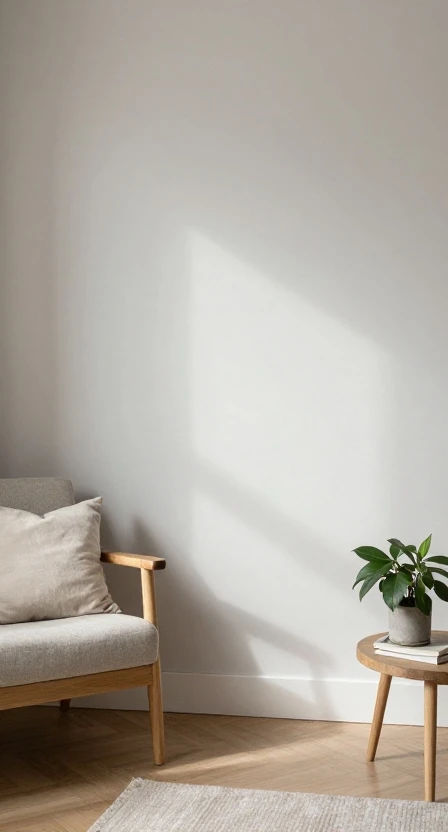
1. Pick Light, Neutral Wall Colors
Light colors make small rooms feel airy right away. Think soft white, pale gray, or warm beige on your walls.
Dark colors can feel heavy in a tight space. They soak up light and make the room feel smaller than it is.
Neutral tones also give you more freedom with decor. You can add color through pillows or art instead.
Try painting a sample patch first. See how it looks in morning and evening light before committing.
2. Use a Bed With Built-In Storage
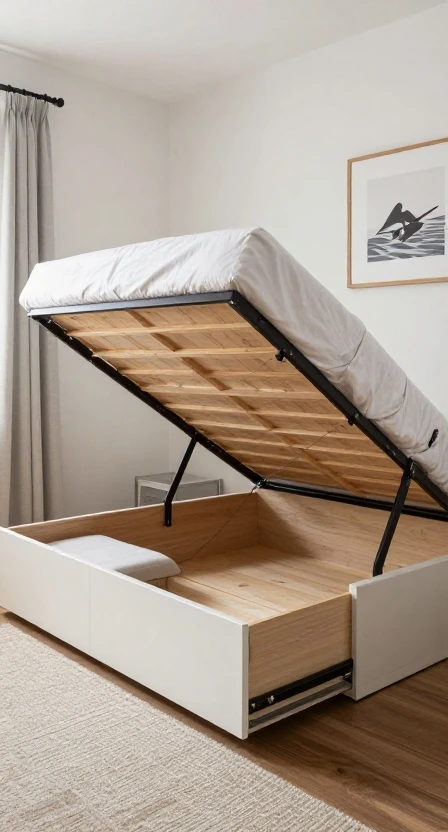
A bed frame with drawers underneath is a small bedroom’s best friend. You get sleep space and storage in one piece.
Store extra blankets, off-season clothes, or shoes right under your mattress. No need for a bulky dresser taking up floor space.
Some beds even lift up completely, showing a big storage area underneath. These work great for renters too.
It’s a simple swap that saves a surprising amount of room.
3. Mount a Floating Shelf Instead of a Nightstand
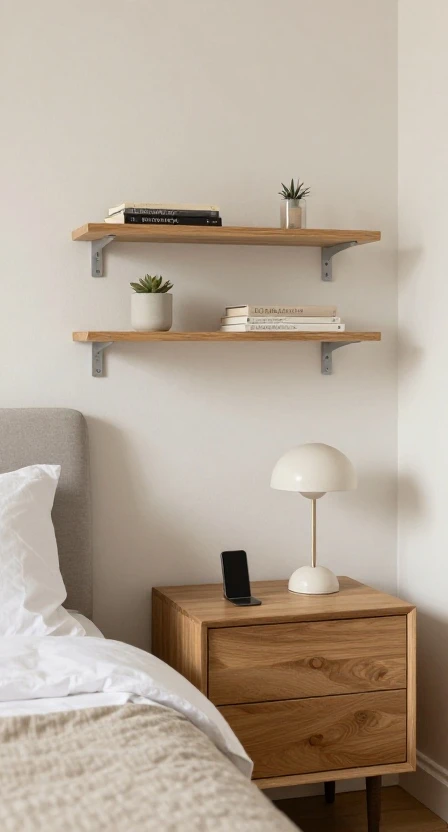
Floating shelves free up floor space instantly. Skip the bulky nightstand and mount a thin shelf beside your bed instead.
You still get a spot for your lamp, phone, and a book. It just doesn’t eat up precious square footage.
Add two small shelves stacked above each other for extra storage. This works really well in narrow rooms.
Paint the shelf to match your wall so it blends in nicely.
4. Hang Curtains Close to the Ceiling
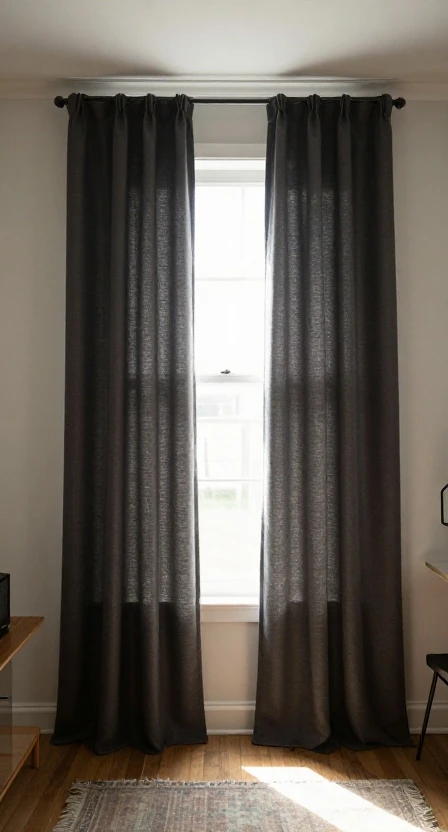
Hanging curtains higher than your window frame tricks the eye. It makes the ceiling feel taller, and the whole room feel bigger.
Choose curtains that are long enough to almost touch the floor. This creates a smooth, tall line that draws the eye upward.
Light, sheer fabrics work best for small spaces. Heavy, dark drapes can make a room feel closed in.
Honestly, this one small change makes a bigger difference than people expect.
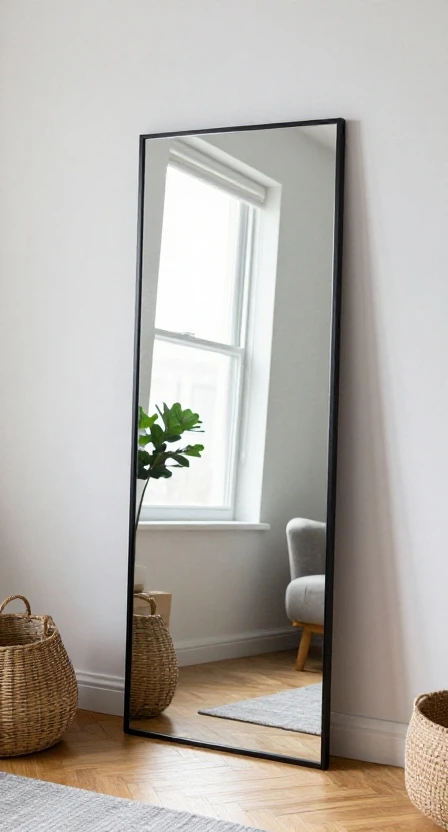
5. Add a Large Mirror on One Wall
Mirrors bounce light around and make rooms look twice as big. Place one across from your window for the best effect.
A tall, leaning mirror works great if you don’t want to drill holes. It also adds a nice decorative touch.
You could also try a few smaller mirrors grouped together. This adds visual interest while still opening up the space.
Just make sure the mirror reflects something nice, like a window or plant.
6. Choose Furniture With Thin Legs
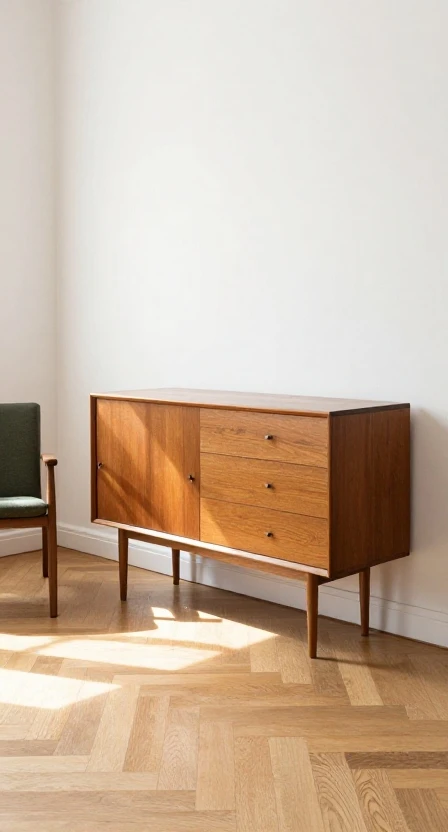
Furniture that sits low and heavy on the floor blocks your view of the room. Pieces with slim, raised legs let light flow underneath.
This creates a feeling of open space, even when the room is packed. Your eyes see more floor, so the room reads as bigger.
Look for chairs, dressers, and desks with exposed wooden or metal legs. Mid-century style furniture is great for this.
It’s a small design detail that makes a real visual impact.
7. Use Vertical Space With Tall Shelving
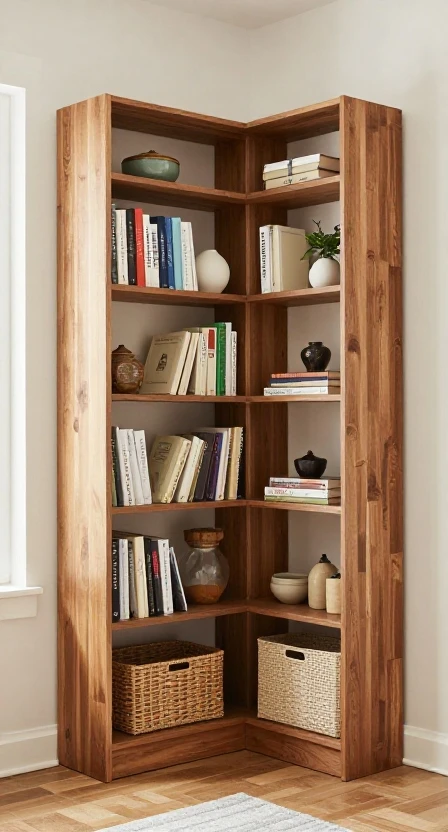
When floor space is limited, go up instead of out. Tall, narrow bookshelves use wall space without crowding the room.
Store books, bins, and decor on higher shelves. Keep everyday items on the bottom shelves you can easily reach.
This trick works especially well in corners that would otherwise sit empty. Corner shelves are an underrated small bedroom hero.
Plus, it gives your eyes somewhere fun to look up.
8. Keep a Clear Path Through the Room
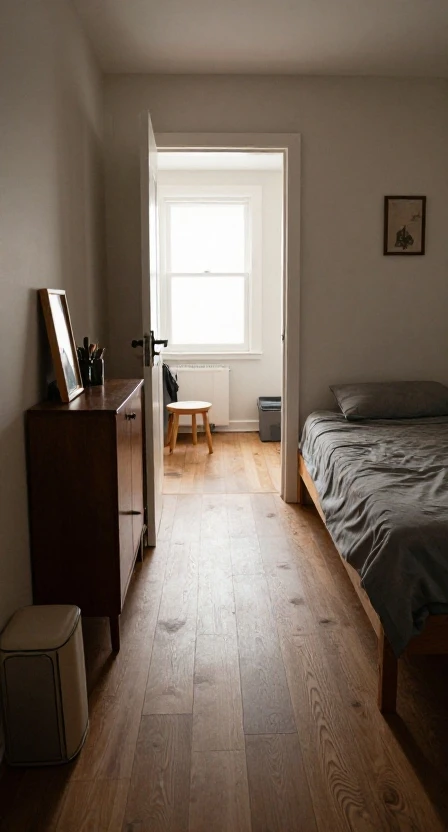
Clutter on the floor makes any room feel smaller instantly. Try to keep a clear, straight walking path from the door to the bed.
Push furniture against walls whenever possible. This opens up the center of the room and makes it feel more spacious.
Even in a tiny space, that open middle area matters a lot. It gives your brain room to breathe.
Take five minutes tonight to clear anything sitting in that main path.
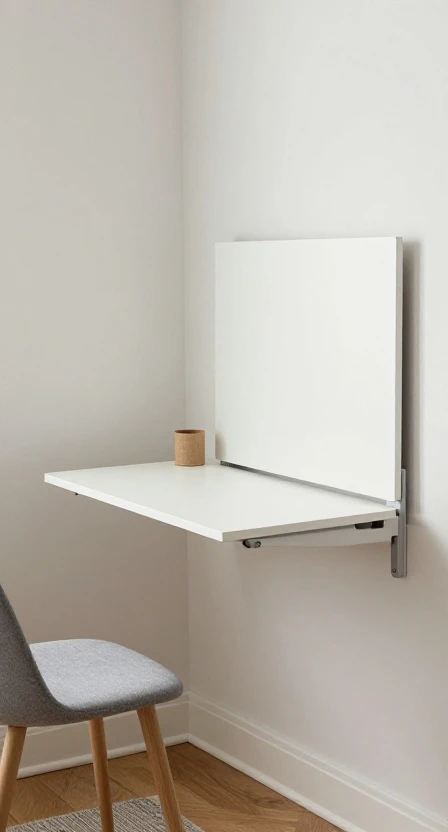
9. Use a Wall-Mounted Desk
If you need a workspace, skip the bulky desk. A small fold-down or floating desk attaches right to the wall.
You get a spot to work or study without losing floor space. Fold it up when you’re done for extra room.
These desks come in tons of styles now, from simple wood to sleek white. Pick one that matches your room’s overall look.
It’s perfect for anyone working or studying from a small bedroom.
10. Add Under-Bed Storage Bins
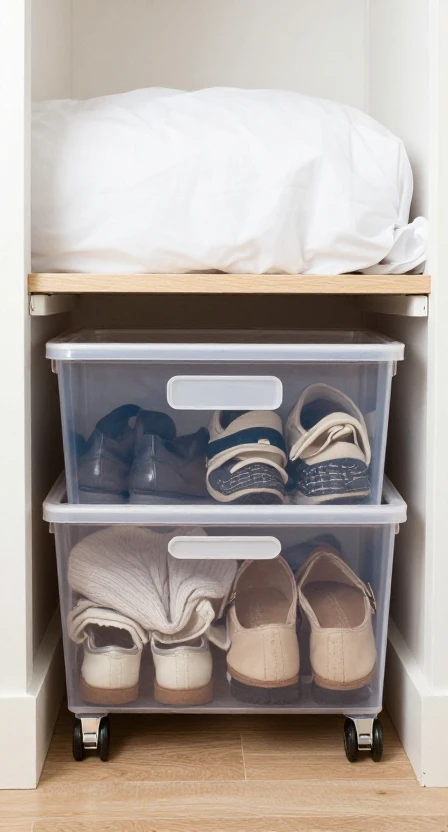
Even without a storage bed, you can use the space underneath it. Slide flat bins or baskets right under the frame.
These are great for shoes, extra bedding, or seasonal clothes. Clear bins make it easy to see what’s inside without digging.
Look for bins with wheels if you want easy access. Rolling bins slide out smoothly, even in tight spots.
This tip costs very little and instantly frees up your closet.
11. Stick to One Focal Point
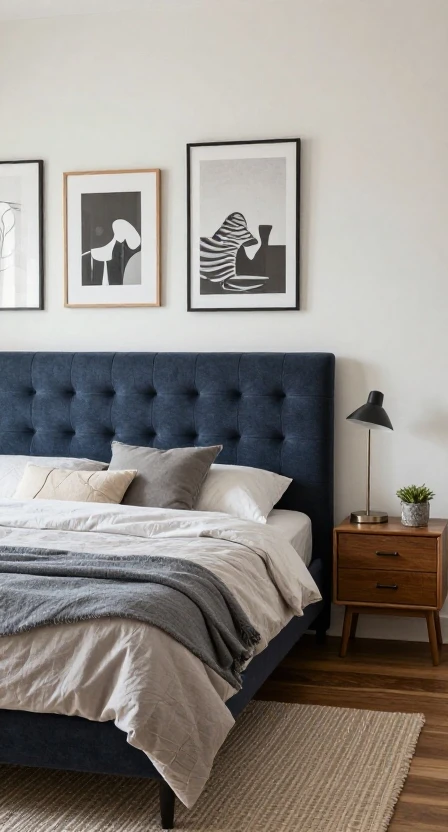
Too many “main” areas in a small room can feel busy fast. Pick one focal point, like your bed or a statement wall.
Let everything else in the room stay simple and quiet. This keeps the eye from bouncing around too much.
A cozy reading nook, a bold headboard, or a gallery wall all work well as a single focus. Just don’t try to do all three at once.
One strong feature usually beats several small ones.
12. Use Multi-Purpose Furniture
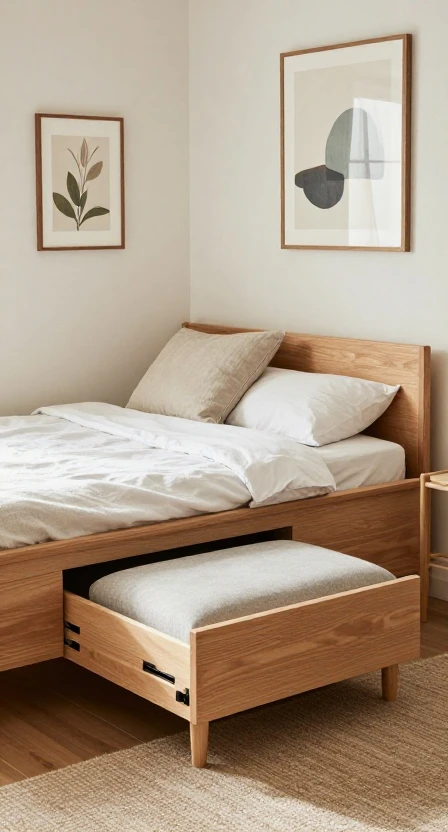
Pieces that do double duty save serious space. An ottoman that opens for storage or a bench with drawers works great.
A daybed can double as seating during the day and a bed at night. This is especially useful if your bedroom doubles as a reading spot.
Think about what you actually need daily. Then look for furniture that combines two of those needs into one piece.
It’s a smart way to fit more function into less space.
13. Add Warm, Layered Lighting
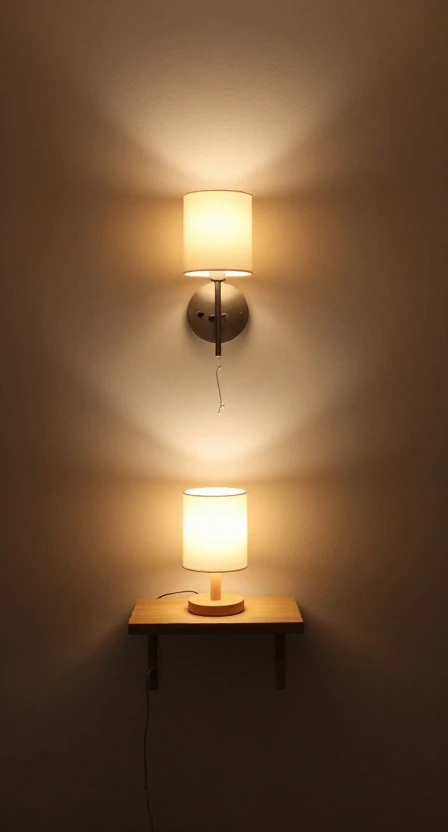
Skip the single overhead light. Layer in a small lamp, string lights, or a wall sconce for a cozy glow.
Soft lighting makes a small room feel warm instead of cramped. Harsh, bright overhead light can actually make tight spaces feel less inviting.
Try a dimmable lamp on your floating shelf or nightstand. It’s an easy way to set the mood at night.
I switched to warm lamp light in my own room, and it instantly felt cozier.
14. Keep Decor Simple and Curated
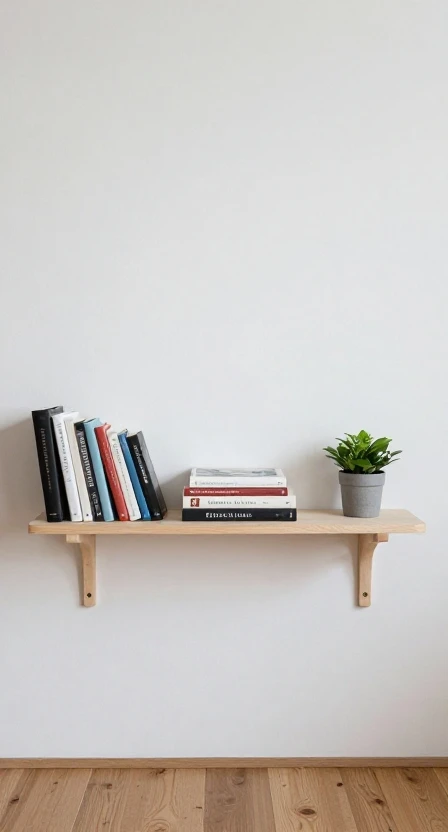
It’s tempting to fill every wall and shelf with decor. But in a small room, less really is more.
Pick a few pieces you truly love instead of many small items. A cluttered shelf can make the whole room feel messy and tight.
Group similar items together, like books and one small plant. This creates a clean, intentional look instead of random clutter.
Give your eyes some empty space to rest, too.
15. Use Rugs to Define the Space
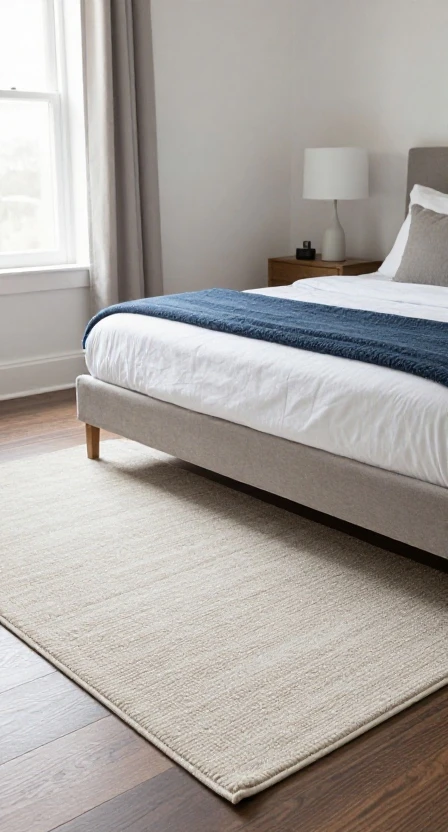
A soft rug under your bed adds warmth and softness underfoot. It also helps define the room without adding visual bulk.
Choose a rug in a light or neutral color to keep things airy. Bold, dark rugs can shrink the visual space.
Make sure the rug is big enough to fit under at least the front legs of your bed. A too-small rug can make the room look unfinished.
It’s a simple finishing touch that ties the whole room together.
FAQs
What color makes a small bedroom look bigger?
Light, neutral colors like white, soft gray, or beige work best. They reflect light and open up the space.
Should I skip a headboard in a small bedroom?
Not necessarily. A simple, low headboard can still add style without taking up extra visual space.
Is a rug necessary in a small bedroom?
It’s not required, but a light-colored rug adds warmth and helps define the room nicely.
What’s the best bed size for a small bedroom?
A twin or full bed usually works best. It leaves more room to walk and store things.
How can I add storage without shrinking the room?
Use under-bed bins, floating shelves, and tall vertical shelving instead of bulky furniture on the floor.
Conclusion
Making a small bedroom feel bigger really comes down to a few smart choices. Light colors, smart storage, and clear floor space can change the whole feel of your room. You don’t need to redo everything at once, either. Try picking just two or three ideas from this list to start. I promise even small changes add up fast. Your cozy little room can still feel open, calm, and totally you.
